Memorial Service Script, Funeral ceremony outline

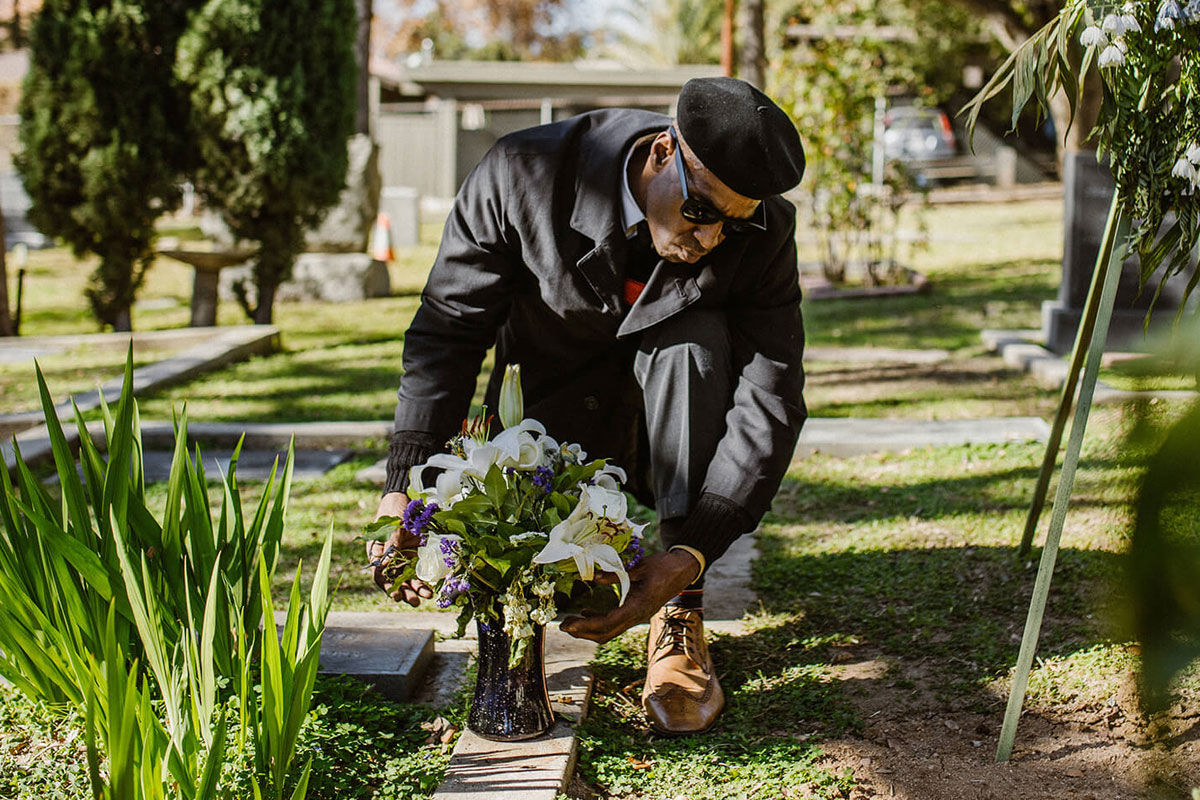
A well-structured memorial service script and funeral ceremony outline can bring clarity, comfort, and meaning to an otherwise emotionally overwhelming moment. Whether you are planning a formal religious service or a simple celebration of life, having a clear flow ensures that every part of the ceremony feels intentional, respectful, and organized.
A memorial service script typically serves as a guide for the speaker or officiant, helping them move smoothly through each segment of the ceremony. It is not meant to be overly rigid, but rather a flexible framework that supports the tone and emotional needs of the gathering. A thoughtful outline allows family members, friends, and guests to focus on remembrance rather than logistics.
Most funeral and memorial services follow a similar structure. The ceremony usually begins with a welcome or opening remarks, where the host acknowledges the attendees and expresses gratitude for their presence. This is followed by an introduction that sets the tone of the service, often reflecting on grief, love, and shared memories. A reading, prayer, or reflection may be included at this stage to provide a moment of grounding and connection for everyone present.
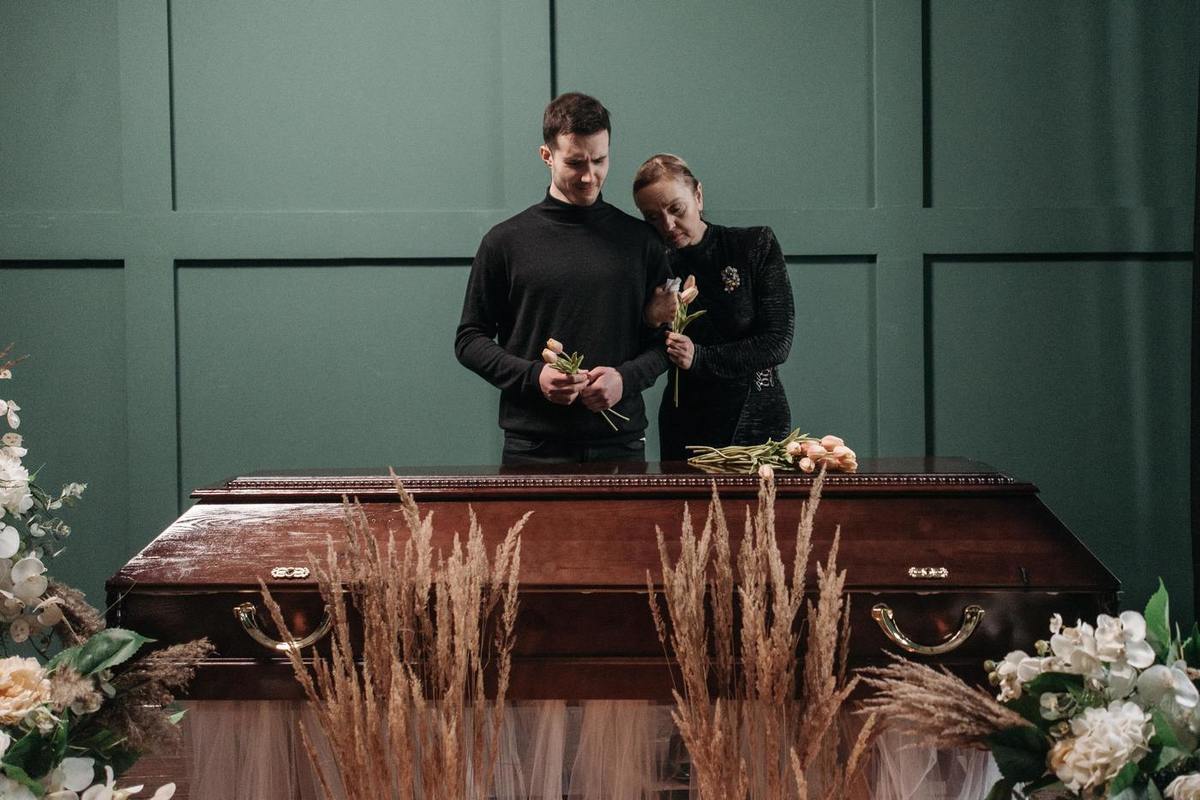
The next section of a funeral ceremony outline often includes tributes and personal remembrances. These may take the form of a eulogy, short speeches from family or friends, or even an open mic segment where attendees can share stories. This part of the service is usually the most personal and emotional, as it highlights the life, character, and impact of the deceased. Including multiple speakers helps create a fuller picture of the individual being honored.
Music and readings are also commonly woven throughout the ceremony. Songs, poems, or religious scriptures can provide comfort and reflection. These elements can be placed between speeches or used as transitions to maintain a natural flow. A moment of silence, candle lighting, or symbolic ritual may also be included, giving attendees space to reflect privately and honor their memories.
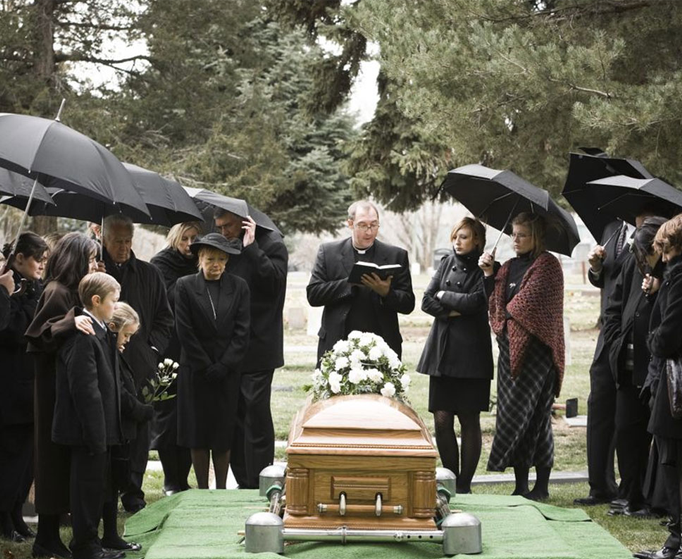
As the service moves toward closure, the officiant typically offers closing remarks. This part of the memorial service script may include words of gratitude, encouragement, or a final reflection on the life that was celebrated. It is also common to include a closing prayer, blessing, or statement that gently brings the gathering to an end.
A well-prepared funeral ceremony outline not only ensures that the event runs smoothly but also helps create a meaningful and supportive environment for everyone attending. It provides structure while still allowing flexibility for personalization, making it possible to honor cultural, religious, or individual preferences.
Ultimately, creating a memorial service script is about balancing organization with compassion. By following a clear outline and incorporating meaningful elements such as readings, music, and personal tributes, you can design a ceremony that truly reflects the life being remembered. For more guidance and detailed resources on planning meaningful services, websites like can offer additional insights and support during the planning process.